Platform · process anatomy
Written once, versioned, and executed the same way every time. This is the same console your team works in, not a marketing rendering of it.
Phases & steps
A process is an ordered set of phases, and each phase holds steps. A step names the sub-agent that performs it, the tools that sub-agent may call, and whether a person signs off before the run continues. Because the structure is explicit, you can change one step without re-testing the whole process.
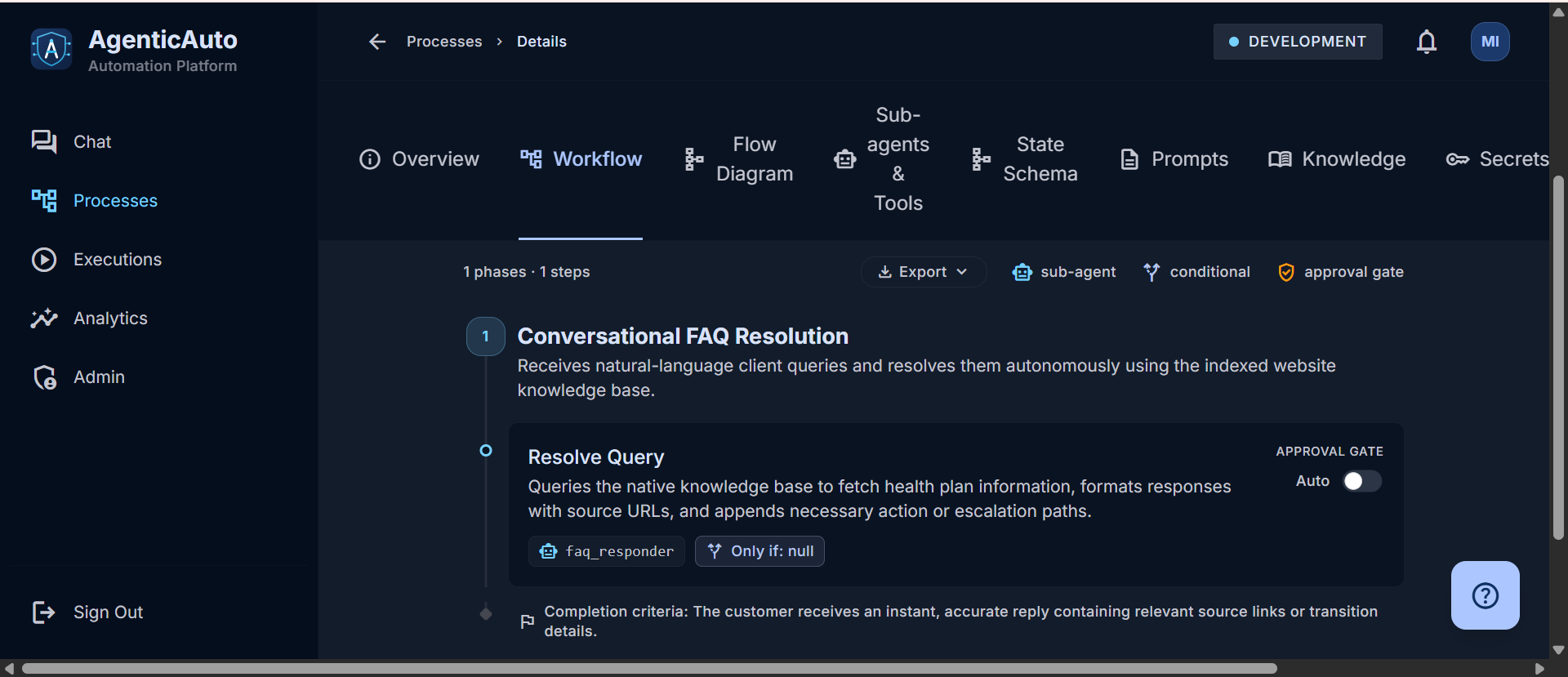
Fig 1 · a phase, its step, the sub-agent it calls and its approval gate
Flow diagram
The same definition, drawn start to end. Operations teams read the diagram; the runtime reads the definition. There is no second model of the process to keep in sync.
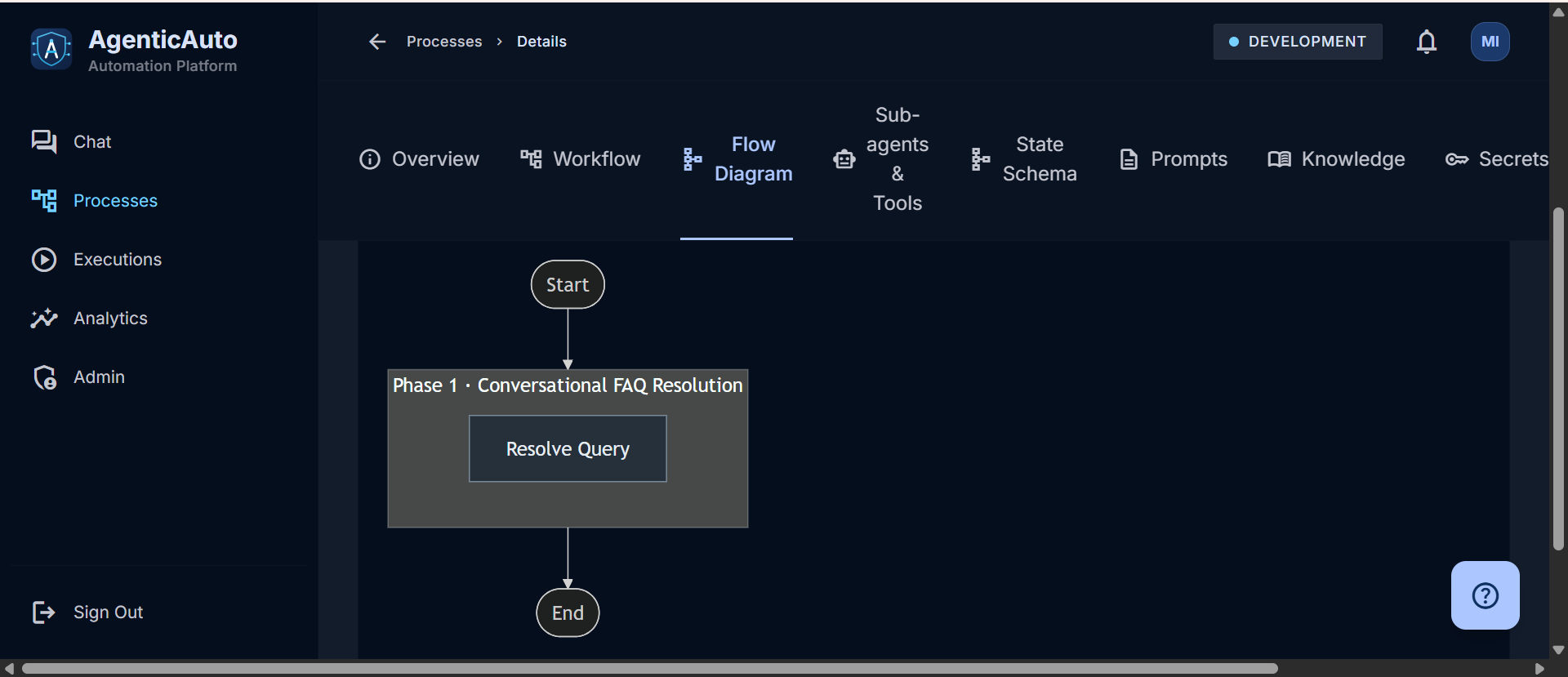
Fig 2 · the process drawn from entry to completion
Sub-agents & tools
A cheap model handles classification, a stronger one handles the judgement calls, and neither can reach a tool it was not granted.
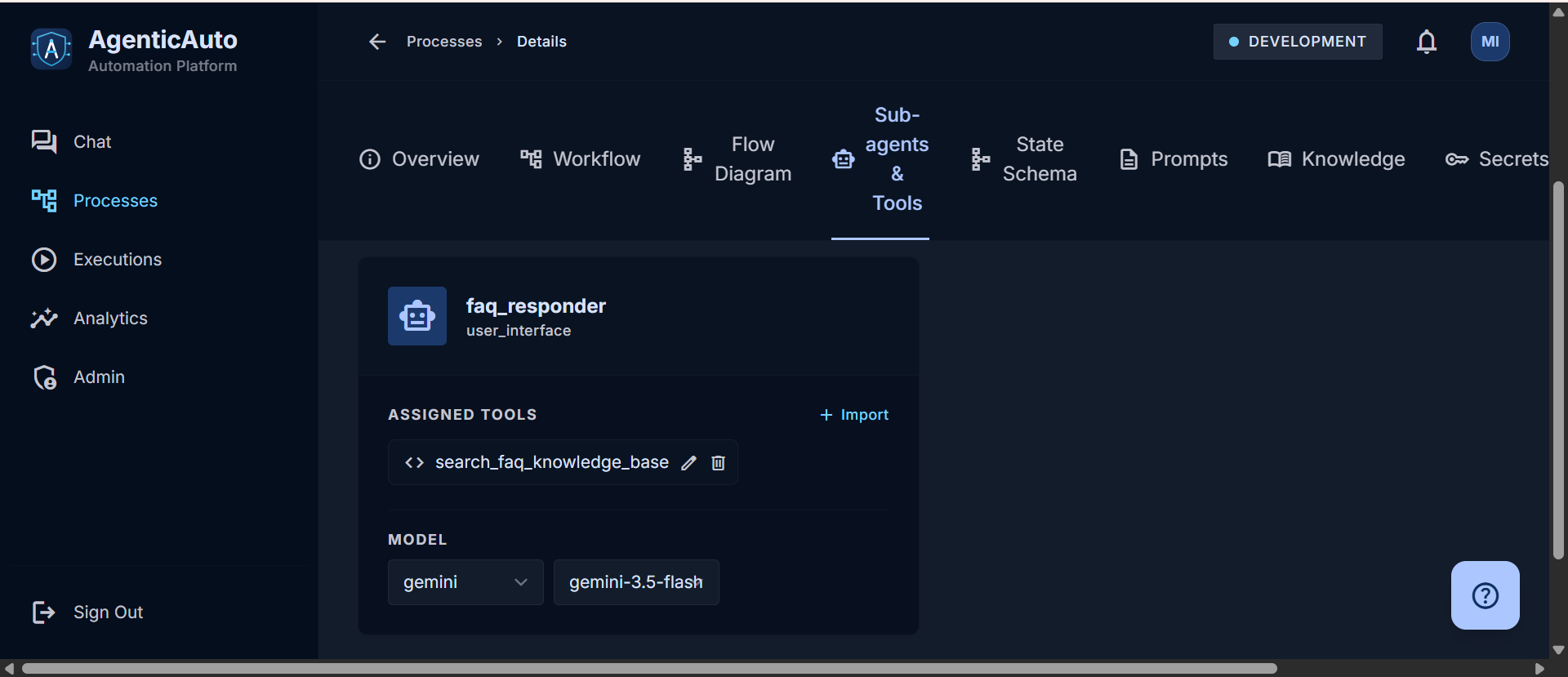
Fig 3 · a sub-agent with its assigned tools and model
Versioning & limits
| Property | Default | Config |
|---|---|---|
| Process versions retained | All | ✓ |
| Step retries before halt | 3 | ✓ |
| Run history retention | Unlimited | ✓ |
| Audit log immutability | Enforced | — |